

Symptoms
Shoulder Pain / Rotator Cuff Tendinopathy
Difficulty raising your arm or pain when lying on the shoulder may be caused by an inflamed or torn shoulder tendon, or frozen shoulder.

Step 1
Where does it hurt?
Get to know your symptoms
About Shoulder Pain / Rotator Cuff Tendinopathy
The shoulder is the body's most mobile joint, so it can be injured easily. Shoulder pain may come from an inflamed or torn rotator cuff tendon, an inflamed bursa, or frozen shoulder. Each cause needs a different treatment. Ultrasound helps show which tendon or bursa is affected.
Common conditions
Pain when lifting the arm overhead
Suspect a rotator cuff tendon problem
Pain when lying on the affected shoulder
Often seen with an inflamed shoulder tendon or bursa
Restricted movement in several directions
Suspect frozen shoulder
Arm weakness or difficulty lifting objects
Suspect a rotator cuff tear
Step 2
If you have these symptoms, see a doctor
If even one applies to you, get checked. You do not have to wait until you have them all.
- Sudden inability to lift the arm after an injury
- Pain severe enough to disrupt sleep
- Deformity or marked swelling
- Pain lasting over two weeks
- Gradually worsening range of motion
ⓘ This information is general guidance and is not a diagnosis.
Why does it hurt?
Common causesof Shoulder Pain / Rotator Cuff Tendinopathy
Pain often has several causes. Knowing the cause can help you care for yourself and prevent the pain from returning.
Did you know? Most causes can be addressed by changing daily habits alongside treatment that targets the problem.
- Repeated overhead lifting
- Advanced age
- A sports injury or fall
- Not moving the shoulder for a long time
- Diabetes
Step 3
Care at Pinn Pain Clinic
- Find the causewith ultrasound
- Choose the treatmentbest suited to you
- Perform procedureswith ultrasound guidance

Release muscle tightness at the source
1. Dry Needling
Release muscle knots and relieve pain caused by tight muscles.

Treat the underlying cause, not just the symptoms
2. Prolotherapy(Glucose Injection)
Stimulate the body's repair of tissues, joints, and tendons affected by degeneration or long-term injury, without surgery.

Fast, targeted pain relief
3. Corticosteroid Injection
Medicine is injected into the inflamed area under ultrasound guidance to quickly reduce pain and swelling while avoiding side effects associated with long-term oral pain medication.

Lubrication and shock absorption
4. Hyaluronic Acid Injection
For people with knee or hip osteoarthritis or joint degeneration, this injection helps lubricate the joint, reduce friction, and improve movement.
Process
Your Care Journey at Pinn Pain Clinic
Make an appointment
Message @pinnpainclinic on LINE or call 080-893-6388.
Medical history and physical examination
By a rehabilitation medicine specialist.
Ultrasound examination
Pinpoint the cause of your pain.
Treatment plan
We explain your options and costsbefore starting treatment.
Procedure
Performed with ultrasound guidance to target the right area safely.
Follow-up
Advice on self-careand exercise.
Frequently Asked Questions
Questions about Shoulder Pain / Rotator Cuff Tendinopathy
Can frozen shoulder get better on its own?
How do I know if a shoulder tendon is torn?
Are shoulder injections dangerous?
Should I exercise my shoulder after treatment?
Read more
Articles by Our Doctors
16 Sep 2026
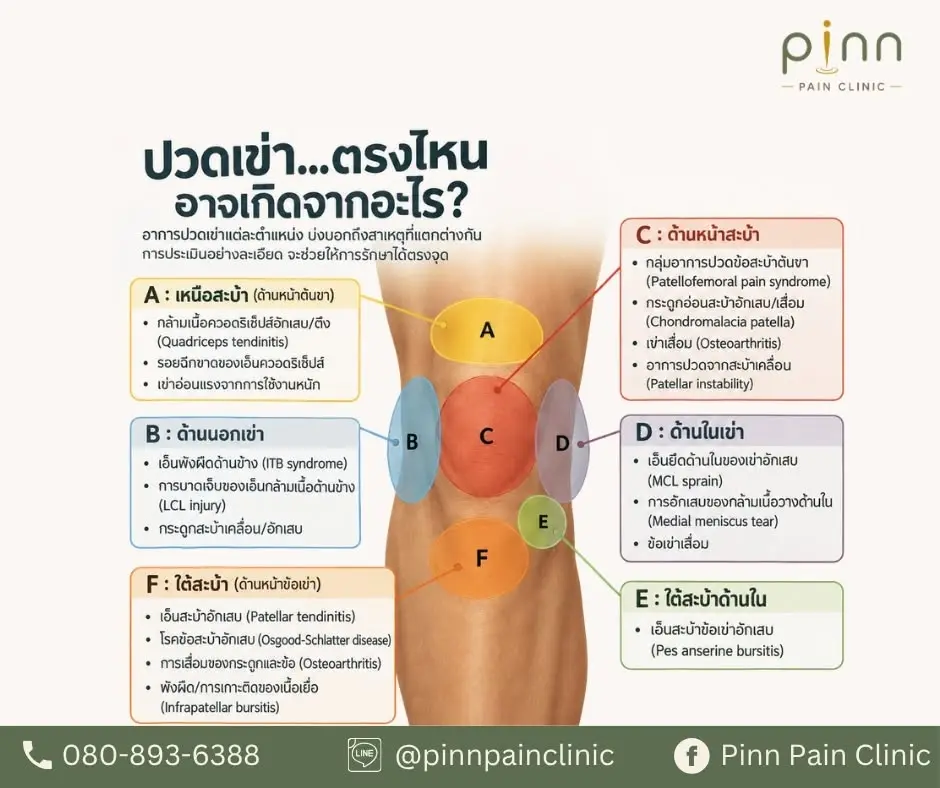
Knee Pain Does Not Always Mean Osteoarthritis
Knee pain can have many causes, and where it hurts can point to which structure is involved.

20 Aug 2026
Burning Pain After Shingles: Do Not Let It Become Chronic
If burning or stabbing pain stays after a shingles rash has healed, it may be postherpetic neuralgia, which can be treated.
15 Aug 2026
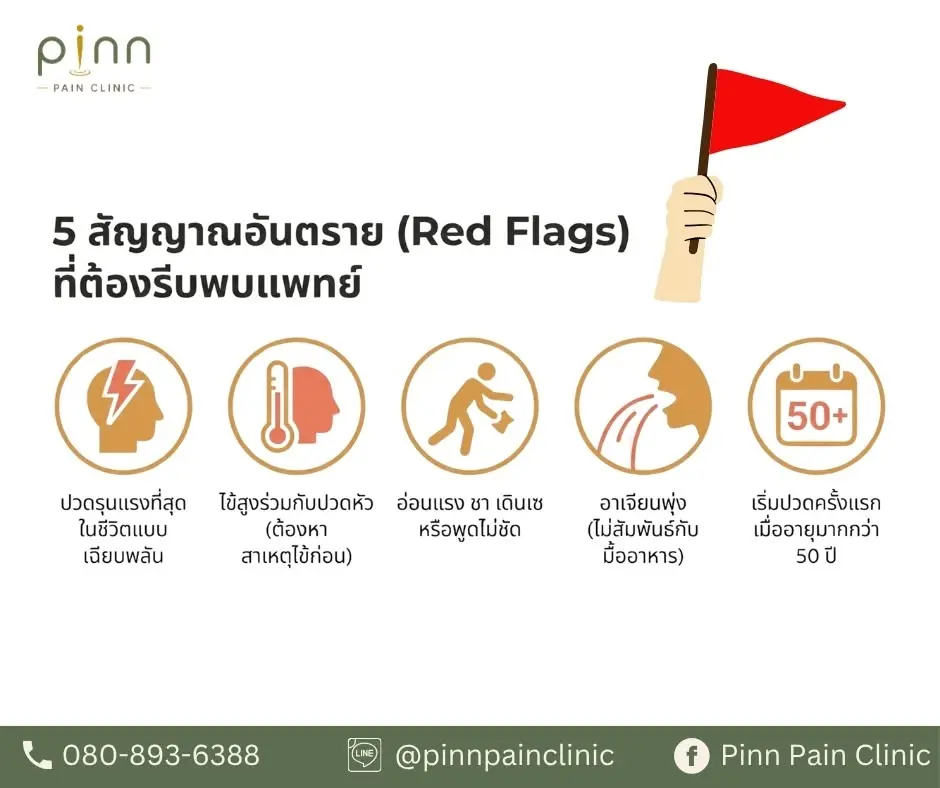
Which Headaches Need Urgent Medical Attention? Know the Red Flags
Headaches are common, but some warning signs mean you should see a doctor promptly to find the cause.
Contact Us
Where does it hurt? Talk to a specialist.
Make an appointment in advance on LINE or by phone. Convenient parking is available.
- Address 130 Moo 6, Thepharak Road, Bang Phli Yai, Bang Phli, Samut Prakan 10540, Thailand
- Opening hours Monday–Saturday, 9:00 a.m.–7:00 p.m. (Closed Sundays)
- Phone 080-893-6388
- Email pinnpainclinic@gmail.com
- Map Open in Google Maps